
Hey team,
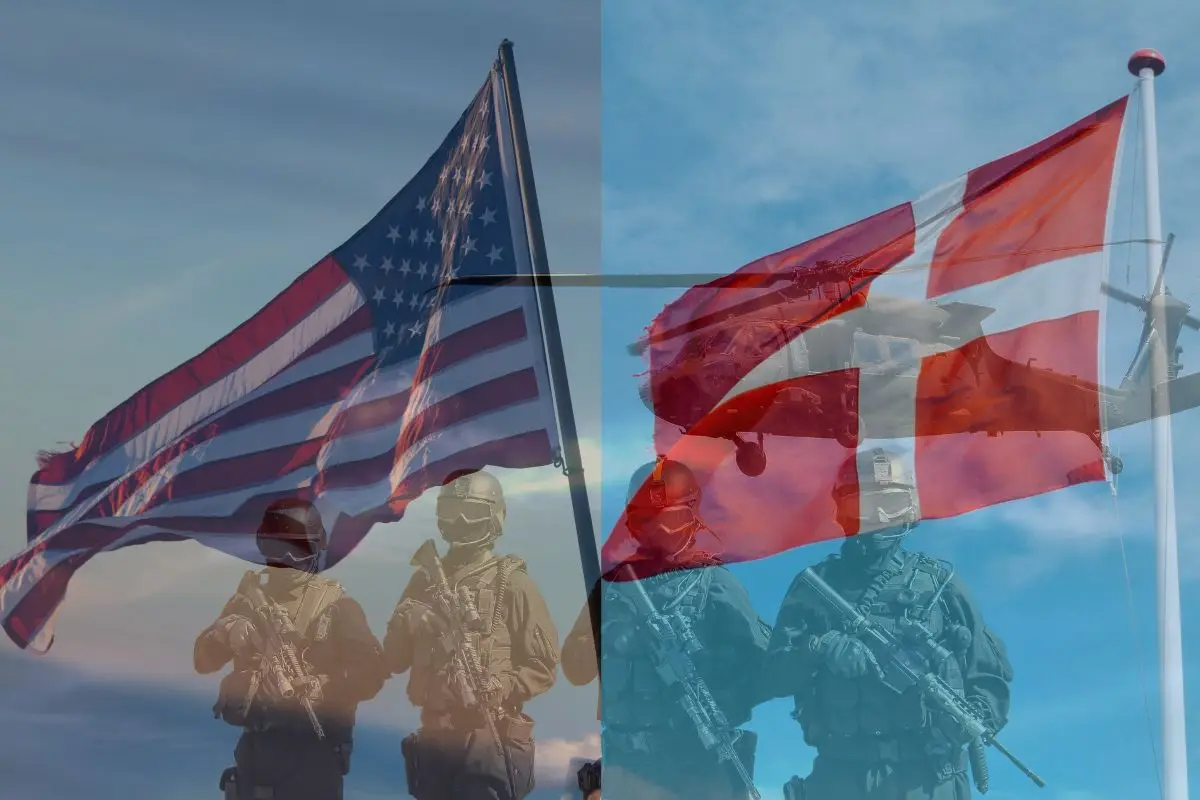
This special report sits on one fault line inside the Western alliance. The US push for control of Greenland has collided with Denmark, Greenland’s government, NATO unity, and EU trade tools. Moscow gets value from the friction, even with no new move on the ice.
Here’s the current picture and what to watch next.
Bottom Line Up Front
US President Donald Trump has renewed pressure for US control of Greenland, pairing rhetoric with tariff threats against European allies and refusal to rule out force. Denmark and Greenland have rejected any sale and have floated a NATO mission for Greenland and the Arctic as a counter. Russia is exploiting the dispute as proof of Western disunity, with Russian voices framing this as damage to NATO and warning about Arctic militarisation. Greenland’s minerals remain hard to monetise at scale, given climate, infrastructure gaps, logistics, and financing barriers, so resource narratives outpace near-term extraction reality.
Over the next month, escalation through economic coercion and military posturing looks likely; a shooting incident between US and NATO forces remains unlikely, with a real risk of miscalculation in crowded air and sea space.
Diplomacy
Washington’s line sees Greenland as a national security requirement, linked to Arctic access and rival interest, and has tied European tariff threats to opposition over sovereignty claims. Greenland’s leadership and Denmark’s government have reiterated that Greenland’s future sits with Greenlanders and the Kingdom of Denmark.
Denmark and Greenland have proposed a NATO mission on Greenland as a way to widen allied presence without transferring sovereignty. The EU is weighing response options that range from de-escalation to use of the Anti-Coercion Instrument and reimposition of suspended tariffs. The UK has publicly criticised tariff threats and pushed for calm dialogue.
Outlook
Further transatlantic strain is likely over the next month, driven by tariff timelines, public statements, and allied planning around Greenland. A formal NATO posture package for Greenland looks possible, centred on reassurance and missions rather than direct confrontation. A negotiated off-ramp remains possible, though the current incentives favour public hard lines.
Information (Cyber & Influence)
Messaging is already a contest over legitimacy. US framing leans on “Russian threat” language and allied burden-sharing claims. European messaging leans on sovereignty, international law, and alliance cohesion, with a focus on resisting coercion.
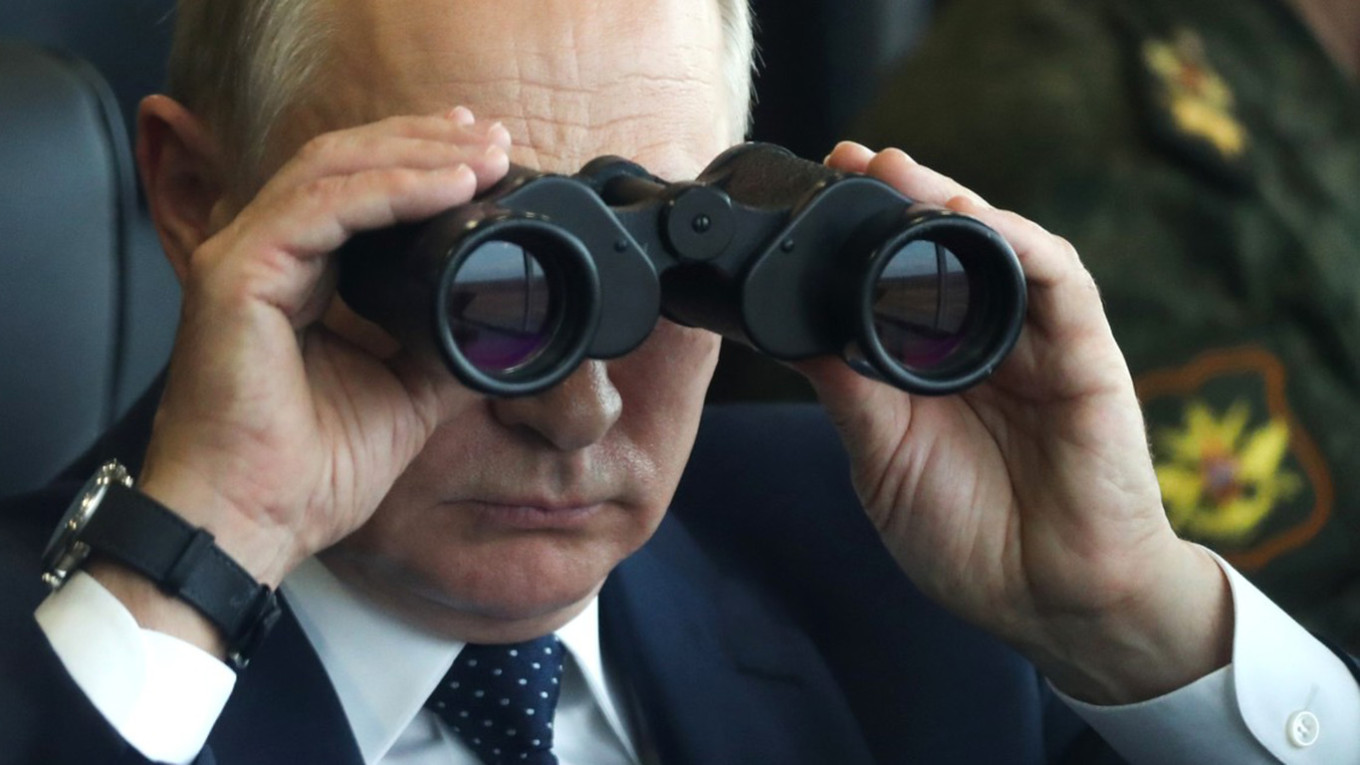
Russian information space is treating the dispute as strategic gain. Russian commentators and officials have highlighted NATO unpredictability and portrayed the episode as alliance fracture. Moscow has also pushed a counter-line that NATO claims about Russian and Chinese threats to Greenland are a myth used to justify confrontation in the Arctic.
Outlook
Russian amplification of Western division is almost certain through the next month, aimed at weakening trust inside NATO and EU coordination. Influence activity that targets European public support for NATO cooperation in the Arctic is possible, with themes centred on “US coercion”, “EU weakness”, and “NATO irrelevance”.
Military
The US already operates Pituffik Space Base (Thule) for missile warning and space surveillance, so access is not the binding constraint. Current military movement includes Danish reinforcements to Greenland and US aircraft deployments described by NORAD as routine and long-planned, taking place in a higher-tension context.

Denmark’s push for a NATO mission would formalise allied presence and raise the political cost of any unilateral US move. The friction point sits in sovereignty and control rather than capability: Denmark and NATO see Greenland under collective defence, Washington is talking about ownership and unilateral action.
Contingency scenario: limited US–NATO clash
Plausible pathway
-
Phase 1: Washington applies economic coercion (tariffs, targeted trade threats) and raises military tempo near Greenland (air, sea patrols, publicised deployments).
-
Phase 2: Denmark and a small NATO coalition increase troop presence, set up a mission framework, and tighten rules around ports, airfields, and government facilities.
-
Phase 3: An incident occurs during a standoff around access control, aircraft intercepts, or maritime boarding. This could be weapons discharge from misread intent, not deliberate intent.
What “limited conflict” could look like
-
A short exchange of fire involving a patrol, a perimeter breach, or a contested detention.
-
Non-kinetic pressure: cyber disruption, GPS interference allegations, jamming claims, or seizures of dual-use cargo.
-
Political rupture: emergency NATO consultations, paused intelligence sharing, and restricted access agreements.
Fallout
-
NATO credibility takes heavy damage, with long-lived loss of trust across planning, basing, and Article 5 assumptions.
-
Russia gains freedom of action in narrative space and more room for opportunism around other theatres.
-
EU and US trade ties degrade further, with spillover into defence industrial supply and Arctic cooperation.
Assessment
A deliberate kinetic clash remains unlikely. A short, accidental exchange is a realistic possibility if forces crowd the same spaces under political pressure.
Outlook
In the next month, increased military presence and posture signalling is likely. NATO deconfliction measures are likely to expand, centred on flight safety, maritime rules, and mission design. A sudden kinetic incident remains possible, with low probability but high consequence.
We are into the final 72 hours of registrations for Cohort 6 of the IACC. Secure your place in our certified and accredited intelligence training programme. Hit the button below to get started:
Economic
Greenland has large critical mineral potential, including rare earths, yet mining remains constrained by limited infrastructure, harsh operating conditions, geology, financing, permitting, and long build timelines. Existing activity is limited, and major scale-up requires ports, roads, power, processing capacity, and stable policy settings.
Resource rhetoric matters politically even when extraction is slow. Claims about “rich, easy minerals” can justify coercive policy moves, yet the commercial reality points to multi-year development with high capex and high operating cost.
Outlook
Near-term mineral windfalls for any party look unlikely. Political pressure around “control equals access” is likely to keep rising, even though extraction constraints remain. Trade measures linked to the Greenland dispute are likely to hit European supply chains sooner than any mining project changes the market.
Closing
This is a sovereignty dispute dressed as a security and resource play. Next month looks set for sharper economic coercion and tighter NATO posture in the Arctic, with Russia taking the win from Western division.
Until next time.
ALCON

Responses