
Bottom Line Up Front
Four compounding crises are developing in parallel, each with a major potential for long-term consequences. Continued attacks on Gulf desalination infrastructure threaten the drinking water of 100 million people. A fertilizer supply shock is moving through agricultural markets with consequences for global food prices that will outlast the conflict itself. A third of the world's commercial helium is stranded in Qatar. Helium is an irreplaceable coolant for semiconductor fabrication, with shortages threatening AI infrastructure and advanced chip manufacturing in the months to come. Targeted kinetic and cyber attacks are fracturing the Iranian financial structure, with cascading effects on military pay and internal regime cohesion. Magnifying these disruptions, the Houthis are actively considering forcing the closure of the last remaining regional transit passage, the Bab el-Mandeb Strait. This would simultaneously cut off two of the world's most critical maritime corridors, forcing ships to reroute around the Cape of Good Hope.
Situation Overview
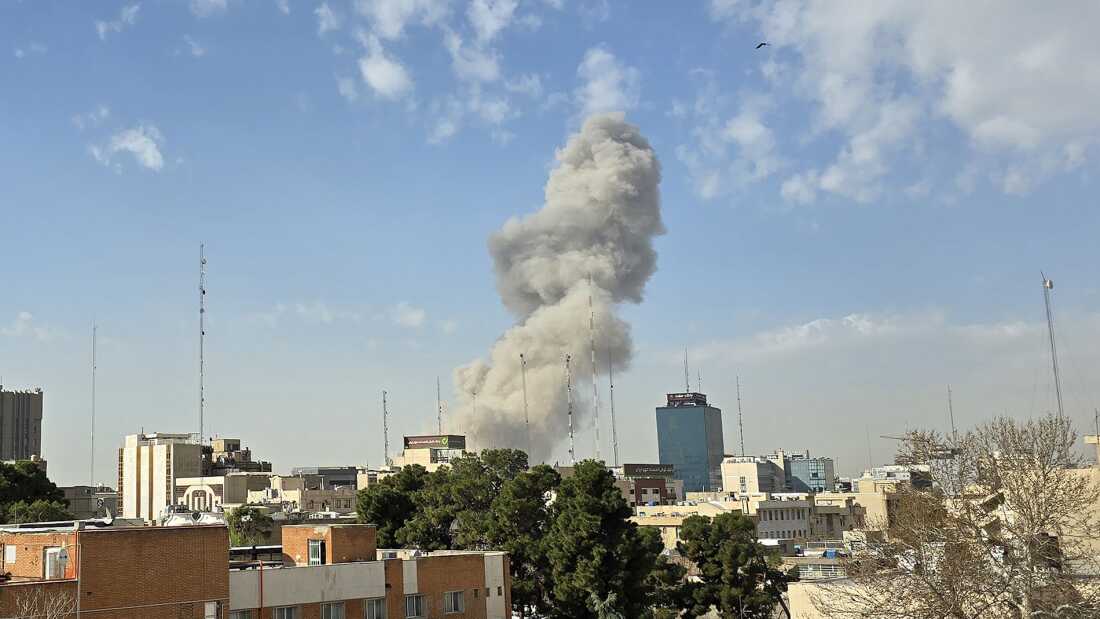
On February 28, 2026, U.S. and Israeli forces launched Operation Epic Fury against Iran. The resulting closure of the Strait of Hormuz, through which approximately 20 percent of global oil and LNG transits daily, has produced the worst energy supply disruption in decades. More than a dozen commercial vessels have been struck in or near the strait, and major shipping operators have suspended Gulf transits. Brent crude has surged more than 50 percent to over $100 per barrel. U.S. retail gasoline prices have risen by ~80 cents per gallon to a national average of $3.72, the largest monthly increase since Hurricane Katrina. Diesel has climbed $1.34 to over $5 per gallon. The oil shock is real and worsening.
However, it is not the only significant flashpoint. The same waterways that control oil flows also carry fertilizers and chip-cooling gas, enabling the desalination systems needed to sustain Gulf cities.
Desalination Infrastructure
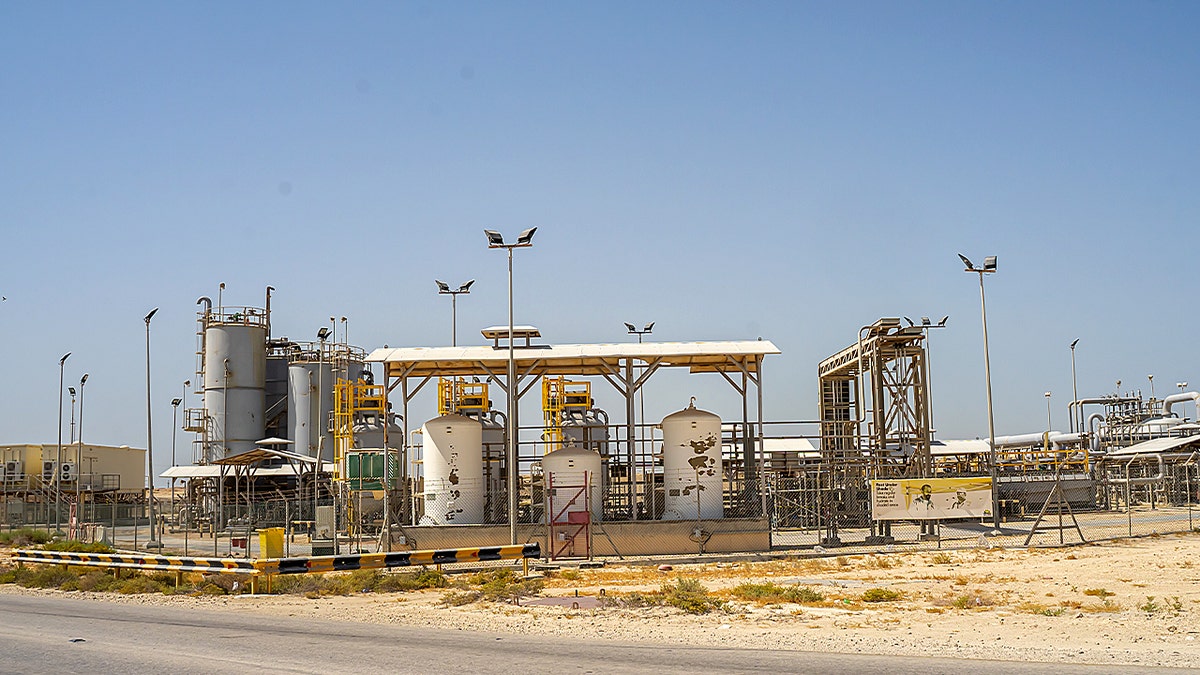
The Gulf Cooperation Council (GCC) states are some of the world’s most water-scarce territories. Groundwater and desalinated water together account for approximately 90 percent of the region’s main water resources. Climate change has deteriorated groundwater stores, further increasing the importance of desalination.
GCC member states account for approximately 60 percent of global desalination capacity, producing nearly 40 percent of all desalinated water worldwide with more than 400 desalination plants along the Arabian Gulf. Significantly, just 56 plants are responsible for more than 90 percent of desalinated water for the Gulf. In total, an estimated 100 million people in the region rely on these facilities.
Approximate reliance on desalination for drinking water:
• Kuwait: 90 percent
• Oman: 86 percent
• Saudi Arabia: 70 percent
• UAE: 42 percent
• Israel: 80 percent
• Bahrain: 90 percent
Notably, a 2008 U.S. Embassy cable documented that a single desalination plant supplied over 90 percent of Riyadh’s drinking water and concluded the city would have to evacuate within a week if that plant, its pipelines, or associated power infrastructure were seriously damaged or destroyed. A 2010 CIA report similarly warned that disruption of desalination facilities in most Arab Gulf countries could have greater consequences than the loss of any single industry or commodity.
Attacks
On March 7, 2026, Iranian Foreign Minister Abbas Araghchi confirmed that a U.S. strike had damaged a freshwater desalination plant on Qeshm Island in southern Iran. The next day, Iran attacked a desalination plant in Bahrain, causing material damage and reportedly disrupting the water supply in 30 villages. Iranian strikes also reportedly landed near a major Saudi complex housing 43 desalination plants.
The targeting of water infrastructure marks a significant escalation for both sides.
Vulnerabilities
Resilience varies sharply by country. Saudi Arabia operates plants along the Red Sea coast, which provide backup capacity and lower reliance on any single facility. The UAE maintains 45 days of strategic water reserves, in alignment with its 2036 security strategy.
The geographically smaller, densely populated states are far more exposed. Qatar, Bahrain, and Kuwait have minimal strategic water reserves. Any sustained attack on their desalination infrastructure would produce a humanitarian crisis within days. Fear of such a disaster poses a psychological risk, raising panic despite the government’s attempts to maintain calm amid active conflict.
Further, sustained damage to desalination plants could divert the limited remaining groundwater away from domestic food production toward human consumption, exacerbating food insecurity in a region already heavily dependent on food imports.
Fertilizer Supply Shock
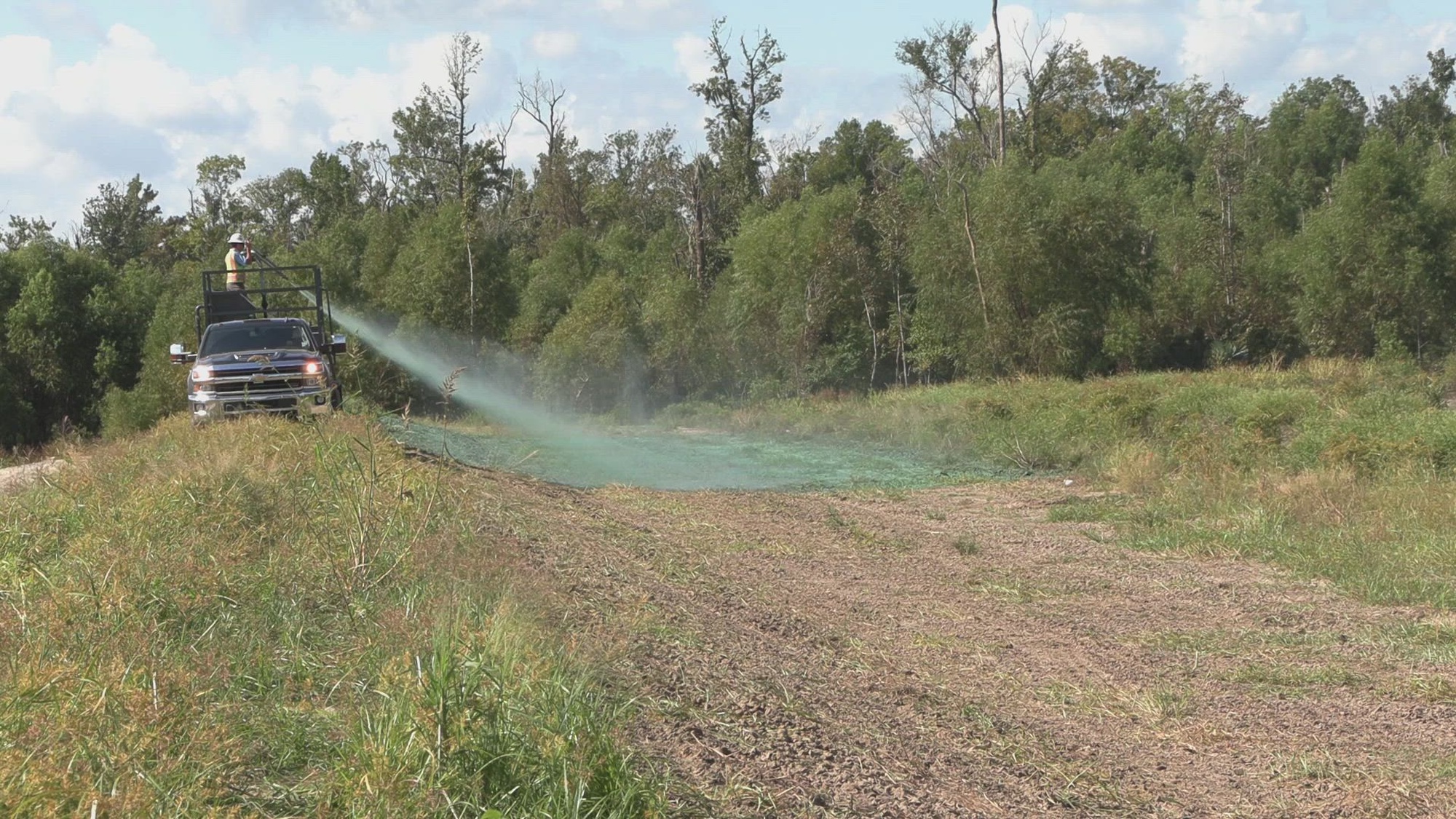
While fertilizer disruption receives far less attention than oil, it carries comparable strategic weight. One quarter of the global fertilizer trade passes through the Strait of Hormuz. Gulf countries also produce around 20 percent of phosphate fertilizers and a quarter of global sulfur, a key ingredient used to turn phosphate rock into a liquid that plants can absorb.
Fertilizer accounts for up to 25 percent of agricultural commodity production costs. The Gulf accounts for approximately 43 percent of global seaborne urea exports, with monthly exports estimated at over 1.5 million tonnes, while Iran accounts for another 350,000–400,000 tonnes per month. Gulf production also accounts for 44 percent of seaborne sulfur, over a quarter of traded ammonia, and meaningful quantities of phosphates.
The closure of the Strait of Hormuz has made those exports effectively unreachable for most of the world. Continued attacks on LNG infrastructure (used for cooling in fertilizer production) threaten long-term disruption with extended recovery time. Comparisons can be drawn to the post-2022 fertilizer spike following Russia’s invasion of Ukraine, with the potential for disruption to push prices beyond that peak. Unlike 2022, when Russian fertilizers could be rerouted around export restrictions, the closure of the strait presents a physical problem with limited alternative maritime routes.
Effects of Shortage
The downstream effects across agriculture are substantial. Fertilizer pricing has already spiked. Urea prices are up as much as 35 percent, reaching a three-year high. Nitrogen prices could nearly double if the conflict continues. Sustained price hikes will translate into more expensive corn, with ripples affecting beef, pork, dairy, ethanol, and broader grain markets.
Corn is a critical node:
- Corn accounts for about 90 percent of feed grains used for livestock feed.
- It influences roughly 79 percent of the variation in cattle feeding costs.
- It represents approximately 70 percent of the overall grain Producer Price Index.
- It drives approximately 80 percent of ethanol production variable costs.
The most exposed major importers are Brazil, India, and China. Brazil imports over 80 percent of its fertilizers. India is the world’s largest importer of di-ammonium phosphate (DAP), sourcing 24 percent from Saudi Arabia and 22 percent from Morocco, both of which face restricted maritime access. India also imports approximately $2.2 billion in urea annually, with 15 percent coming from Oman and 9.5 percent from Saudi Arabia. India’s 30 domestic urea manufacturing plants, which depend on LNG or naphtha as feedstock, face rising production costs as LNG supply tightens.
Asia at large is quite dependent on the Gulf, importing 64 percent of its ammonia and more than 50 percent of its sulfur and phosphates from the region.
China is largely self-sufficient in fertilizer production but has ceased fertilizer exports and is drawing down strategic reserves. This removes an important swing supplier that other large importers, particularly India and Brazil, might otherwise have relied on for partial substitution.
Notably, American domestic fertilizer production is thriving, with CF Industries Holdings stock increasing 56.38 percent.
No adequate alternative routes exist for fertilizer transport aside from the Strait of Hormuz. The supply shock will remain for the duration of the closure.
Food Insecurity
Nearly half the world’s population depends on food produced with the help of fertilizers, and rising prices will exacerbate food insecurity. The regional countries are extremely vulnerable to food shocks due to their major import dependencies. Any disruption of supply chains will deliver rapid, harmful consequences.
Dependencies on imported staples:
- Soybeans: 95 percent
- Vegetable oils: 91 percent
- Corn: 89 percent
- Rice: 77 percent
- Wheat: 37 percent
Countries include Bahrain, Iran, Iraq, Kuwait, Oman, Saudi Arabia, and the UAE.
It is likely that new overland transport corridors will open, putting Russia, Turkey, and Syria in a position of strategic control over vital supplies.
Helium Disruption
A third of the world’s commercial helium supply originates in Qatar, extracted in two plants as a byproduct of LNG production. When LNG tankers cannot exit through the Strait of Hormuz, LNG storage tanks fill to capacity, and the associated LNG plants must shut down, eliminating helium output in the process. More than a quarter of the world’s helium supply could be cut off if the Strait of Hormuz remains closed. Military strikes against Qatari facilities have compounded this shutdown.
Semiconductor Exposure
The semiconductor industry is helium’s largest consumer, surpassing MRI scanner manufacturers in recent years. Chip fabricators depend on helium as a coolant primarily during the etching process, as there are no viable chemical substitutes for helium in precision manufacturing and cryogenic cooling. Temperature precision during etching is critical, as any deviation alters the etch profile and can render chips defective.
Phil Kornbluth, founder of Kornbluth Helium Consulting, estimated that the conflict has removed approximately 30 percent of global helium capacity at a time when the market carried roughly 15 percent surplus, rendering the net shortage around 15 percent. Even if the strait reopened immediately, he assessed a minimum two-month additional supply disruption, as stranded shipping containers - approximately 2,000 expensive cryogenic units - are repositioned.
Risks
Spot helium prices could surge by 50 to 200 percent in severe shortage scenarios. Contract prices could also rise by 20 to 40 percent upon renegotiation.
South Korea and Taiwan face the greatest semiconductor exposure. South Korea sourced approximately 64.7 percent of its helium imports from Qatar in 2025. Taiwan similarly relies on Qatar for the majority of its helium supply. Japan is also affected but has greater resilience due to more diversified sourcing, with inventories from both the United States and Qatar. Samsung, TSMC, and other major chip fabricators in affected jurisdictions are the most vulnerable global manufacturers if disruptions persist and replenishment cycles become unmanageable.
Implications
A prolonged Hormuz closure could produce a helium-driven semiconductor shortage with implications for AI infrastructure, consumer electronics, and defense technology supply chains. Supplies are finite, and the helium crisis has the potential for a sharp onset once existing inventories are exhausted.
Iranian Financial Infrastructure
U.S. and Israeli operations have included kinetic and cyber strikes targeting Iran’s banking infrastructure. As the institution historically responsible for paying the Islamic Revolutionary Guard Corps rank-and-file, Bank Sepah has been a primary target. Disrupting payment flows to security forces undermines morale, potentially encourages defections, and compounds the political pressure generated by civilian economic hardship.
Iran’s food price inflation had already risen 40 percent in the year preceding the conflict, with rice prices up sevenfold and vegetable oil up threefold. The war has worsened this crisis, with banking targeting further compounding the financial and logistical stress on Iran.
Payment Delays
On March 17, members of Iran’s Special Units Command received notice of salary payment disruptions, marking the third such delay in 2026 alone. Retirees and some conventional army personnel have not received pay for two consecutive months. This has led some security personnel to boycott pro-government mobilization events, disrupting deployments in several major cities.
The rial (Iran’s currency) had been in severe inflation even before the outbreak of the war. In June 2025, just before the 12-day war with Israel, one dollar traded for around 800,000 rials on Iran’s open market. The dollar traded at roughly 1,620,000 rials in January 2026. Current inflation is so extreme that payments intended to be made in cash risk losing value between the moment they are minted and the time they reach recipients. Digital payments are largely unfeasible due to attacks on the banking network and the perception among remaining leadership that digital systems are compromised, leaving them vulnerable to foreign intelligence penetration and exploitation.
Iran has historically relied on China to circumvent sanctions and purchase technology components for Shahed drone manufacturing. For suppliers and foreign manufacturers, up-front payment in a stable currency is required. Iran does not reliably exercise this capacity, particularly given the significant depletion of foreign reserves through prior disbursements to proxy networks.
Implications
Targeting institutions responsible for military pay creates the conditions for internal fracture. Pre-existing economic and monetary crises were already a major driving factor in the mass demonstrations against the Islamic Republic in late 2025 and early 2026. Continued and repeated shocks to the banking system will likely increase this pressure.
IRGC casualty counts vary, but the numbers are all high. IDF intelligence claims that at least 6,000 military and security personnel have been killed through mid-March 2026, with over 15,000 wounded since the start of the operation. With no immediate cessation in sight, the death toll will continue to rise. Casualty figures of this scale, combined with unpaid salaries and suppression of public mourning ceremonies, place significant institutional stress on the regime that will increasingly worsen as the war drags on.
Whether this will produce meaningful defections from the IRGC or bring about renewed protests remains to be determined.
Bab el-Mandeb
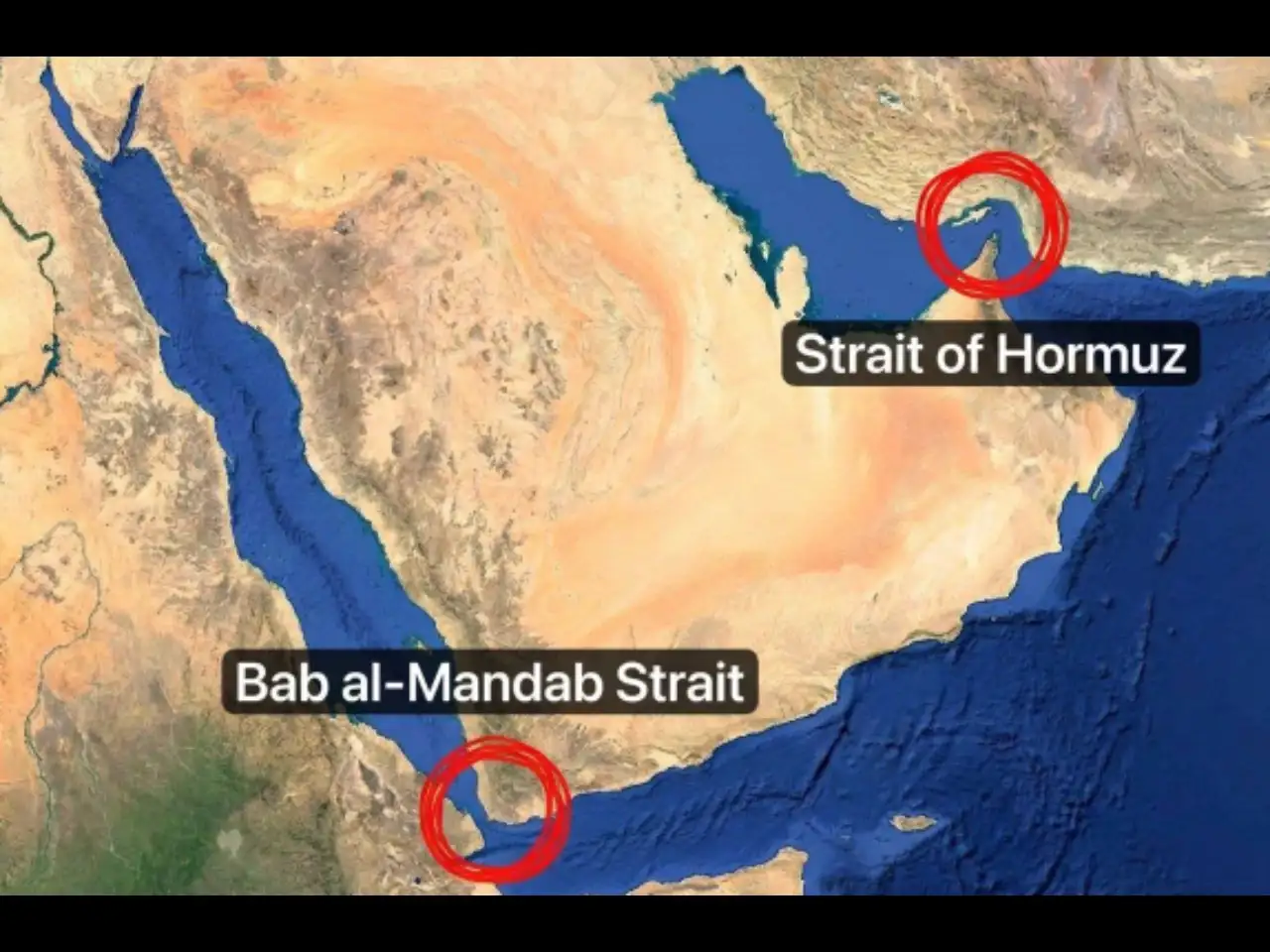
The Bab el-Mandeb Strait is a critical maritime gateway to the Suez Canal, connecting the Red Sea to the Gulf of Aden. At its narrowest point, it measures approximately 32 kilometers across. Vessels transiting from the Persian Gulf to Europe and the eastern United States depend on this passage. If closed, ships would be forced onto the Cape of Good Hope route around the southern tip of Africa, which would add weeks to transit times and spike shipping costs.
Saudi Arabia relies primarily on its Red Sea ports for imports, including food. Egypt’s economy depends heavily on Suez Canal transit revenue and has already suffered $10 billion in losses since 2020 due to regional conflict disruptions. Israel’s southern port of Eilat provides an alternative to the Mediterranean but cannot compensate for a full Red Sea closure.
Houthi Threat
Houthi Brigadier General Abed al-Thaur stated in March 2026 that blocking the Bab el-Mandeb Strait is among the options being considered if Ansar Allah’s leadership decides to formally enter the Iran conflict. This is not an empty threat. Houthi forces in Yemen have already demonstrated their capability and willingness to disrupt Red Sea shipping, having imposed restrictions on vessels linked to Israel since the Gaza conflict began.
A formal Houthi naval blockade declaration would temporarily halt commercial and military vessels transiting to the Red Sea or Arabian Sea. While this escalation has yet to be enacted, the Houthis have the motivation, precedent, and operational experience to execute such a measure.
The simultaneous closure of both the Strait of Hormuz and the Bab el-Mandeb would effectively cut off two of the world’s most critical maritime corridors. There is no modern precedent for this scenario, but the implications for global trade, food supply, and energy markets would be severe.
While contingency planning existed for the Strait of Hormuz closure, it was not implemented effectively, leading to the current transport crisis. Effective, preemptive planning and decisive action to prevent an attempted closure of the Bab el-Mandeb is paramount to preventing worsening trade conditions.
Indicators to Watch
- Presence of mining vessels or confirmed Houthi action in or near the Bab el-Mandeb Strait, including seizure or interdiction of commercial vessels.
- Major insurers reclassifying the Bab el-Mandeb as a war risk exclusion zone.
- Additional strikes on desalination plants in Qatar, Kuwait, or Saudi Arabia, particularly near the Ras al-Khair complex.
- Targeting of power grids that supply desalination plants.
- Government directives for water rationing or staged distribution schedules in at-risk states.
- Increase in WFP emergency procurement activity or funding appeals.
- Rising food prices in states historically vulnerable to hunger crises.
- Reports of helium inventory exhaustion at South Korean or Taiwanese semiconductor fabrication facilities, including production pauses or force majeure declarations.
- Missed pay period for IRGC personnel on March 21, 2026. This falls on the Nowruz holiday and is a potential inflection point for morale and cohesion.
- Verified reports of refusal to deploy, localized mutinies, or other mutinous action.
- Evidence of new overland transport corridors activating through Turkey, Russia, or Syria.
- Further collapse of the rial exchange rate.
Responses